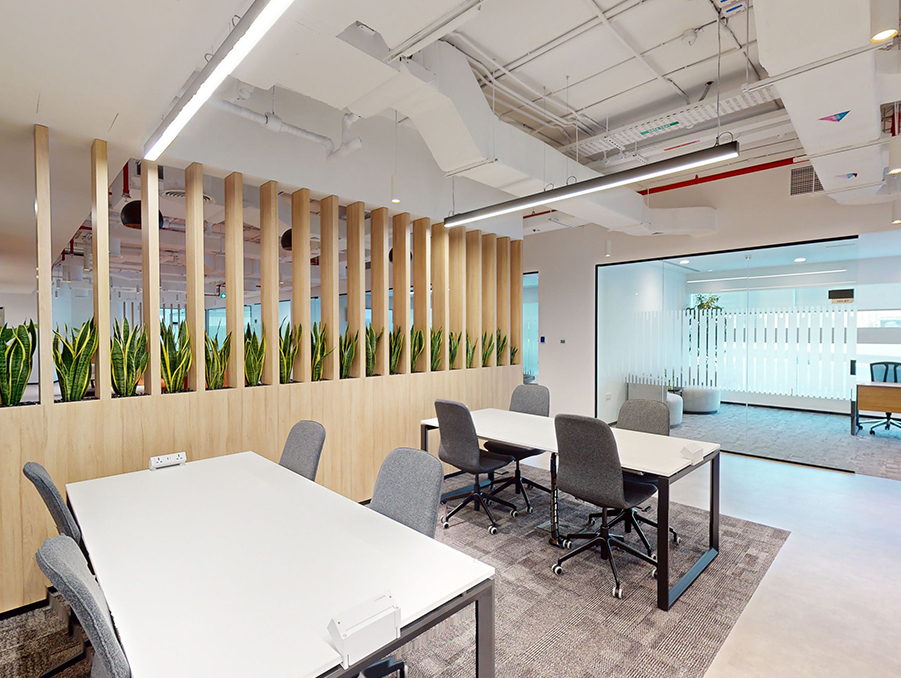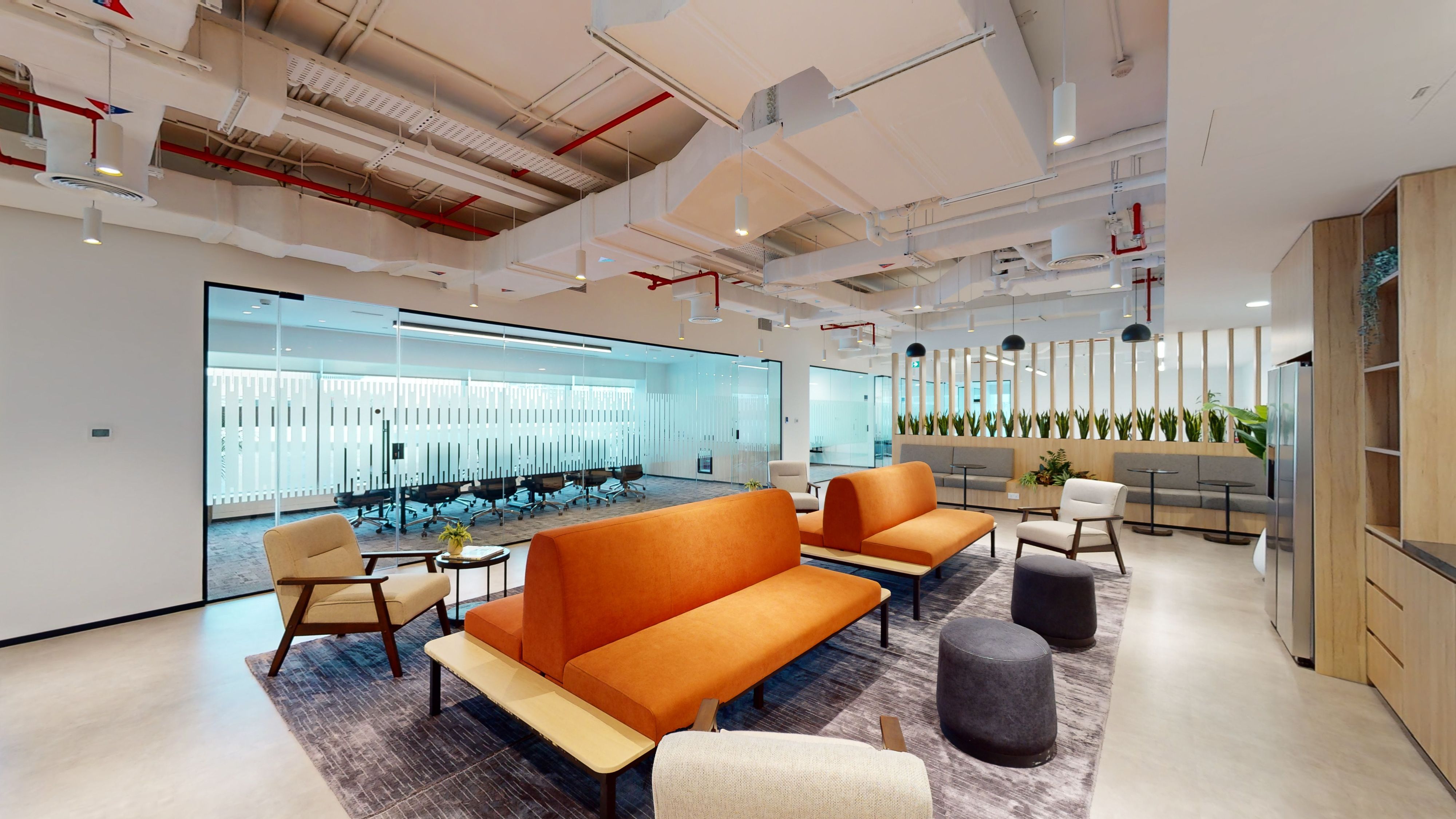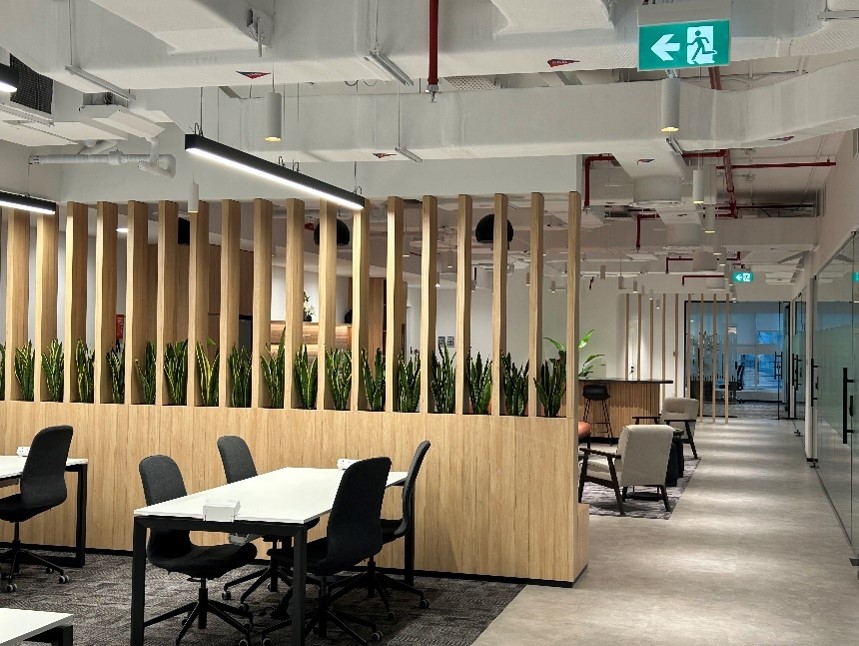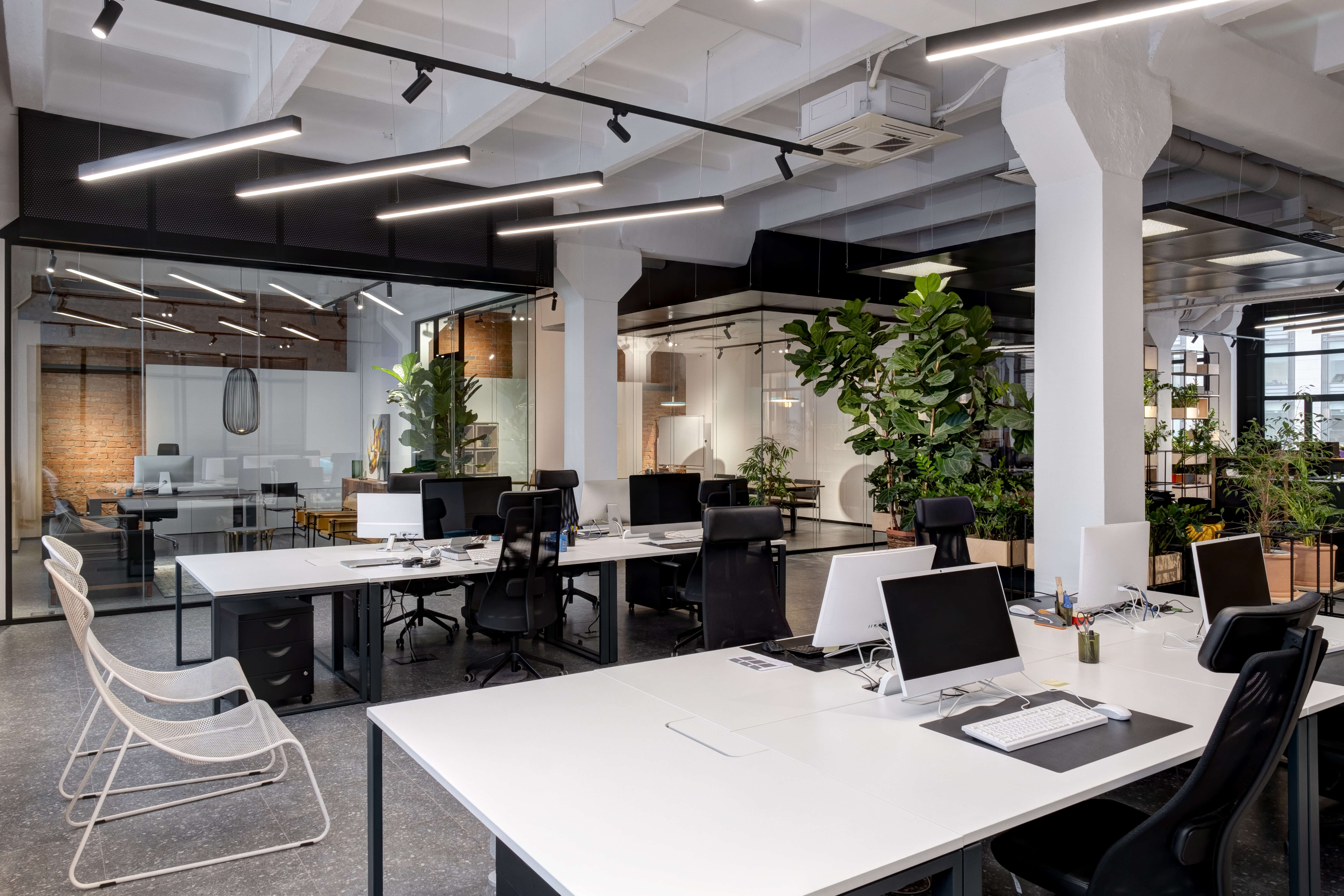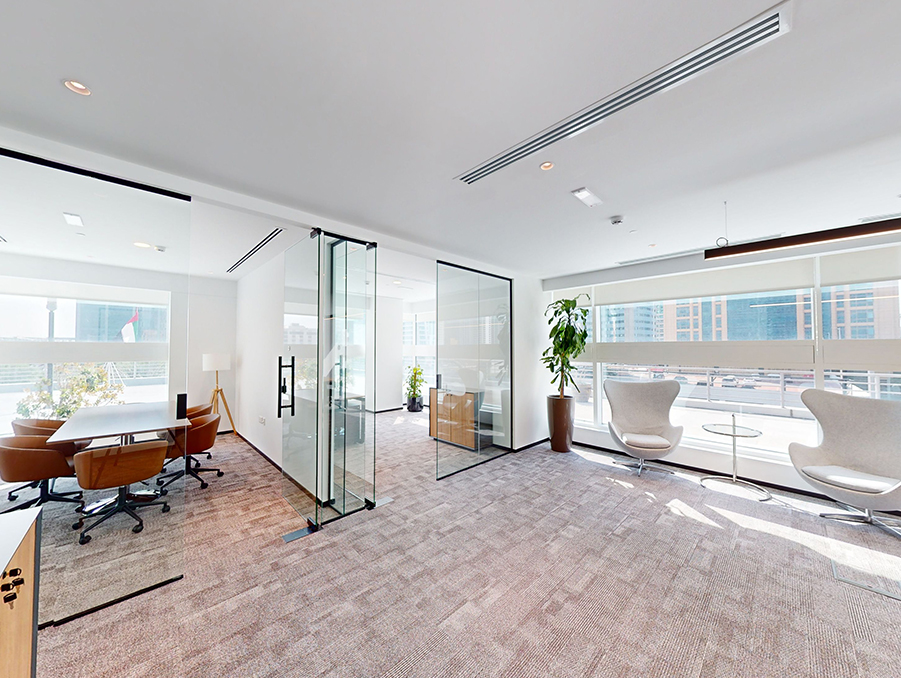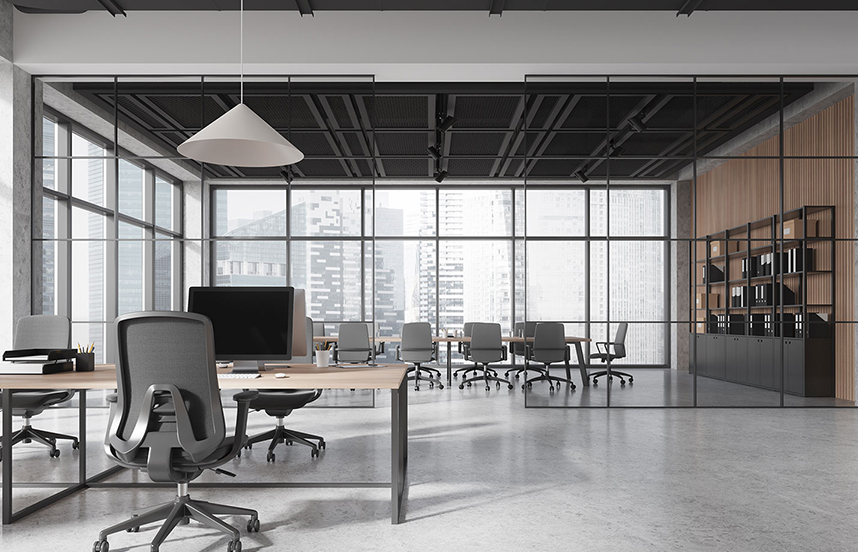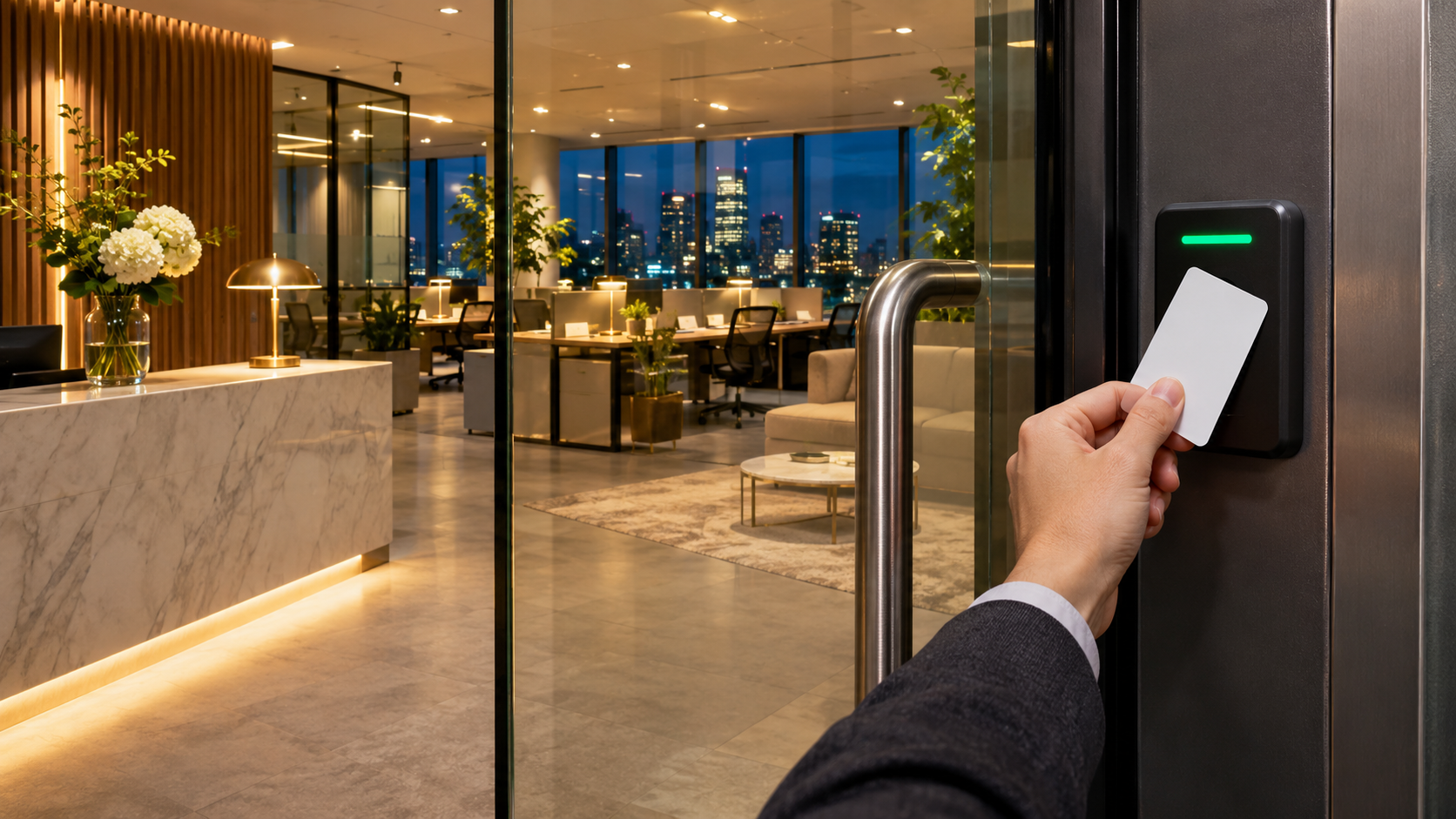

Usually, yes. At RSO Workplace, our shared workspaces come with 24/7 access and on-site security, so a 7am call or a late push before a deadline doesn’t send you back to a café.
But “access” is a slippery word. Getting through the door at 10pm is one thing. Finding the Wi-Fi up, the room quiet and a printer that works is another. That gap is where people get caught out, so it’s worth knowing what to check before you pick a serviced office in Dubai.
Most people don’t think about it until after they’ve signed.
Few Dubai businesses run on one clock. If your head office is in another country, your best call window might be 7am or 9pm here. If you’re an international business building a presence in Dubai, your day rarely ends at five. Plenty of founders also just like working when the floor is empty.
It’s one of the quiet reasons teams choose a flexible office instead of a fixed lease. Fixed hours are rarely the problem. Fixed hours that don’t match how you work are.
Four situations come up again and again: early mornings, evenings, weekends and public holidays, Eid included. A provider may allow some of these and not others. So when a website says “24/7”, treat it as a good start and ask which of the four apply to your exact space and location.
This is the bit most guides skip.
Your desk or office, the internet, the shared areas and building security are normally there around the clock. Reception, parcel and mail handling, in-person help and some printing or refreshment services often follow staffed hours instead. So if a courier turns up at 6pm, or you need a hand with a booking at 9pm, ask how that works when the front desk is closed.
Our post on questions to ask before choosing a business centre covers hidden costs and contract terms. After-hours access belongs on that list too.
If you work late or early often, a private office is the most comfortable. It has a door, you control the noise, and calls don’t disturb anyone. That’s a big part of why private offices suit small businesses and startups.
One to three people who are happy to share a room can take a dedicated desk. A growing team will probably want an office suite, so everyone can use a self-contained space at any hour.
A virtual office works differently. You get an address, mail handling and a local number, not a permanent desk, so late use depends on the hot desk days in your plan.
It should be, but look rather than assume. On a visit, notice how you get in after hours, whether security is on site, how well lit the entrance and car park are, and how the street feels at night.
Our JLT office in Reef Tower, Cluster O, is a short walk from two metro stations. The JLT page has the details. Try the journey home at the hour you’d really leave, not at lunchtime.
Often, yes, but arrange it early. An investor call at 7am or a client session in the evening goes better when the room, the screen and someone to meet your guest are sorted beforehand. Our guide to choosing a meeting room for client presentations lists what to look at, and the meeting rooms page shows what’s available.
Is the access really 24/7 for my space and location? Does it include weekends and public holidays? Is there an extra charge after hours? Which services stop when reception closes? How are my guests handled late? And can I try it first?
That last question is the best one. Many businesses test an office before committing, and a visit at an awkward hour tells you more than a brochure. Once you’ve decided,what to expect after moving in helps you settle faster.
Try it at the hour you’ll actually use it
A brochure can’t show you what an office feels like at 8pm. We can.
Tell us when your team works and where your clients are, and we’ll book a visit around your schedule, including outside normal hours if that’s when you’d really be here. Not ready to commit?Try a day pass first.